Artist
 Norihiro Hirayama — Official Site
NORIHIRO HIRAYAMA◆OFFICIAL SITE
Norihiro Hirayama — Official Site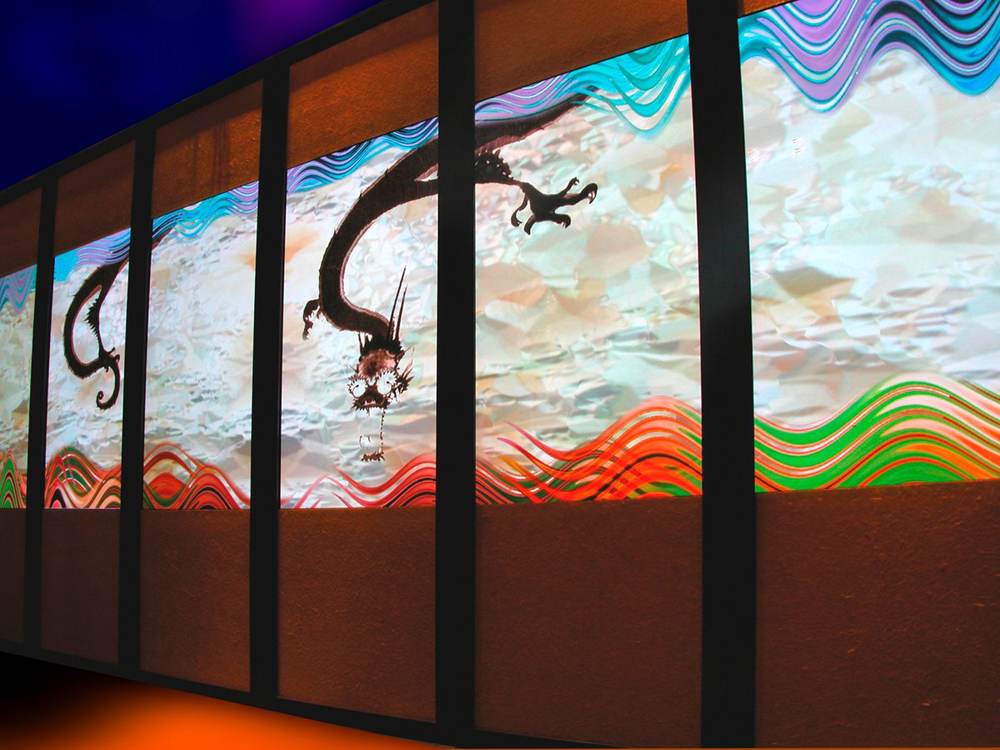
 ▶
 ▶
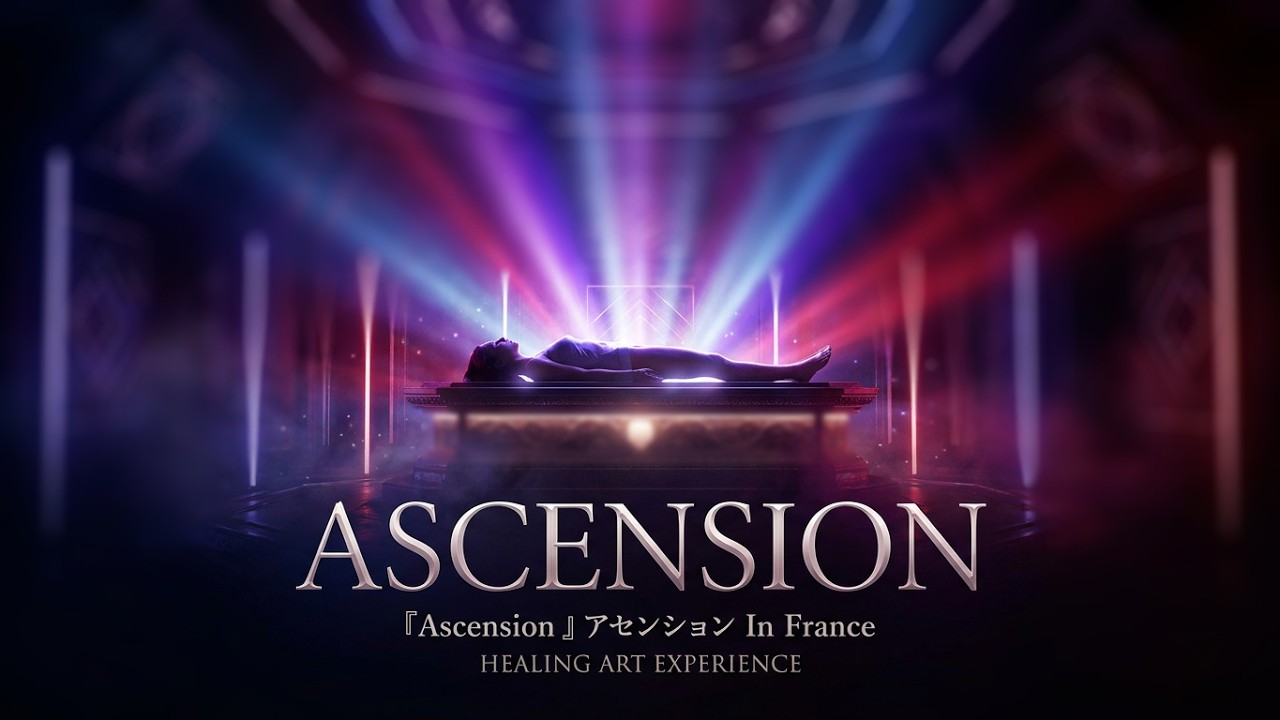 ▶
 ▶
 ▶
 ▶
 ▶
 ▶
 ▶
 ▶
In 1984, while still at Musashino Art University,NHK Special "The Human Body: The Universe Within", joining the production of its CG imagery. Standing at the forefront of visual expression in an era when CG was still experimental became the starting point for all his later work. Here, a bloodline whose family calling was Japanese painting first met electronic technology.
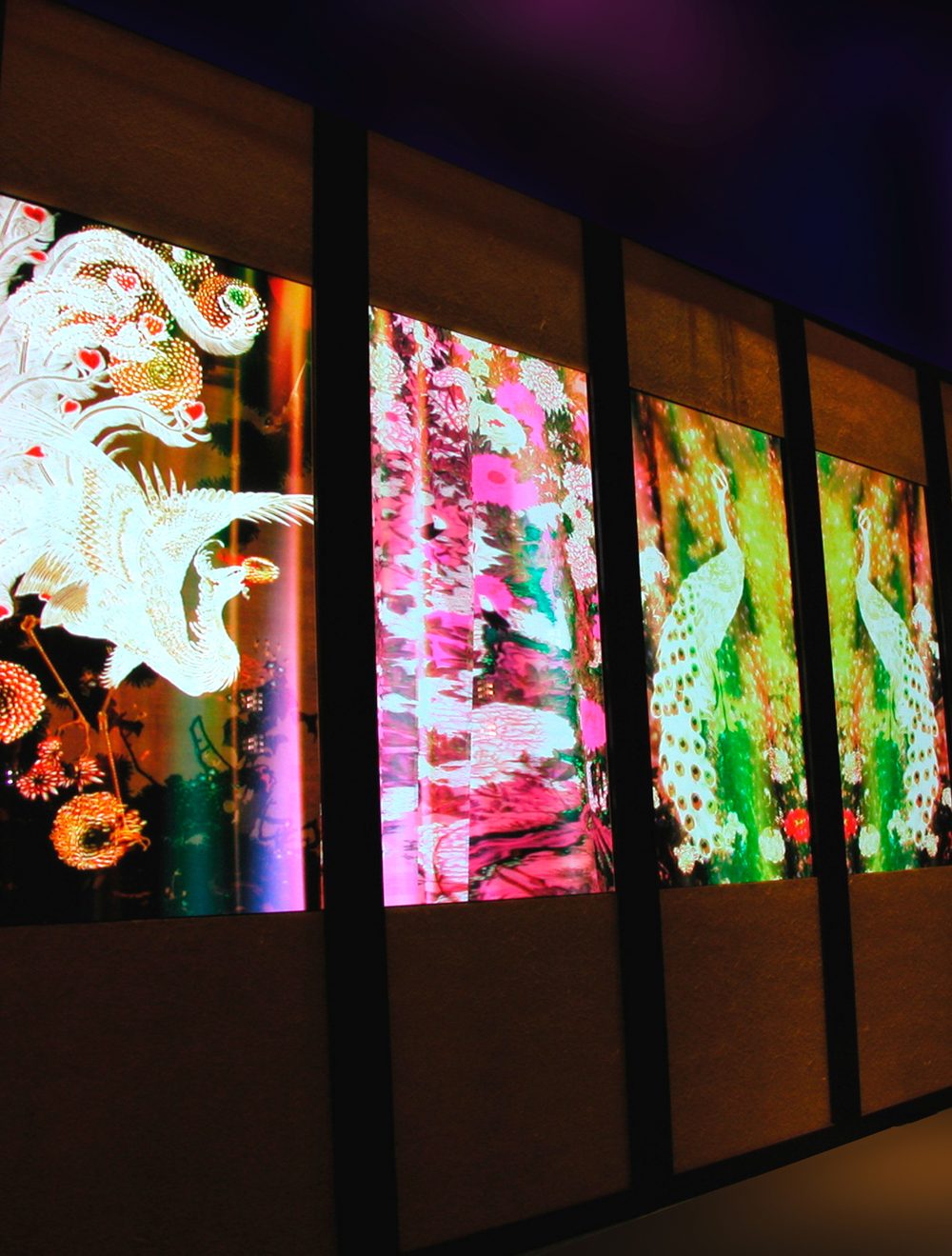
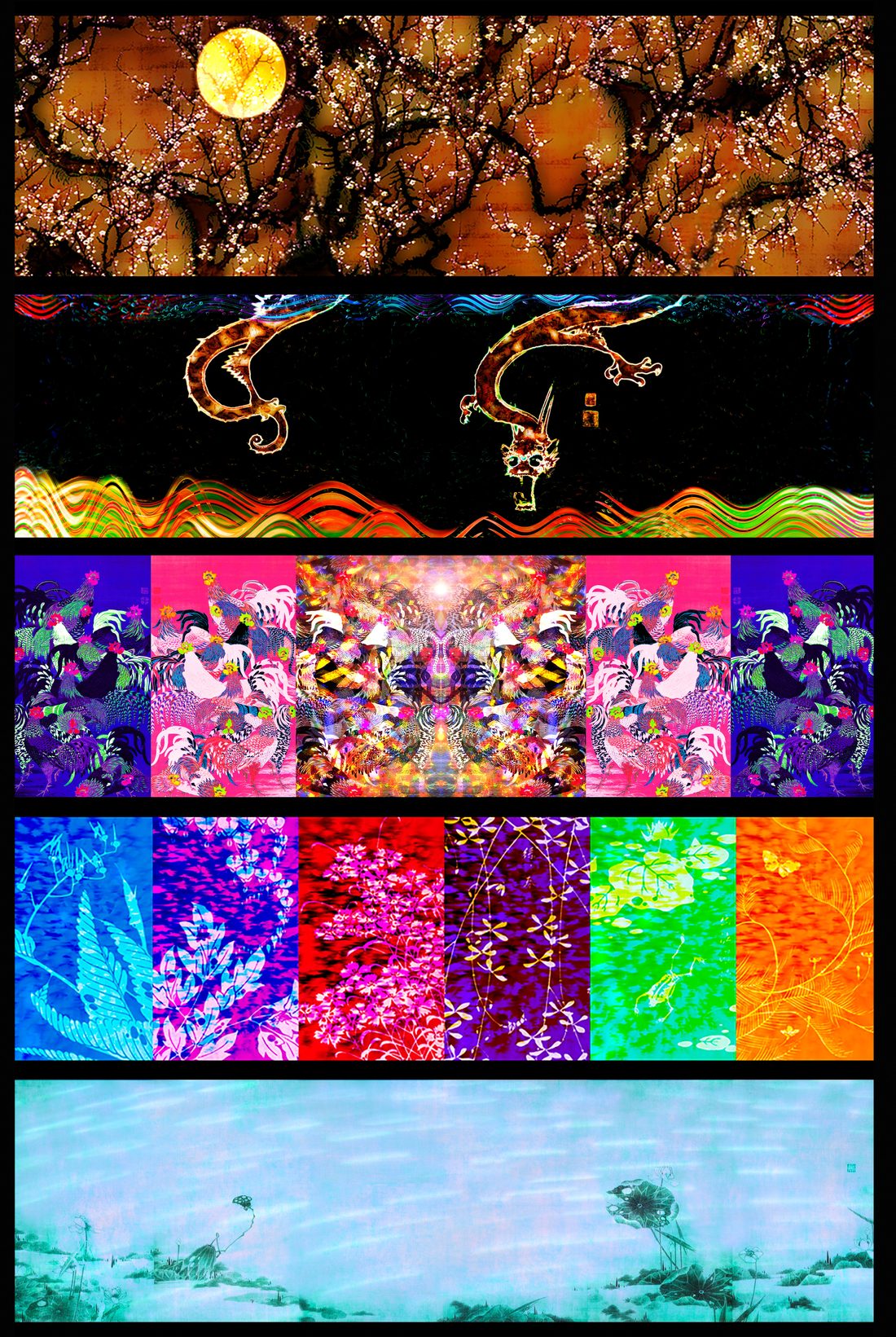
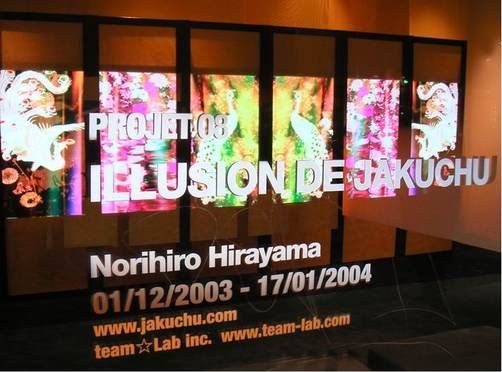
In 1998, taking Itō Jakuchū's Colorful Realm of Living Beings as its theme,"Jakuchū Fantasy" was born. In 2003, the new workEntrusted to astronaut Soichi Noguchi, it traveled with the Space Shuttle to the International Space Station (ISS) it traveled. The brush of the great-grandfather who left Mito with Hokusai’s manuals in his arms was thus carried, four generations on, beyond the Earth.
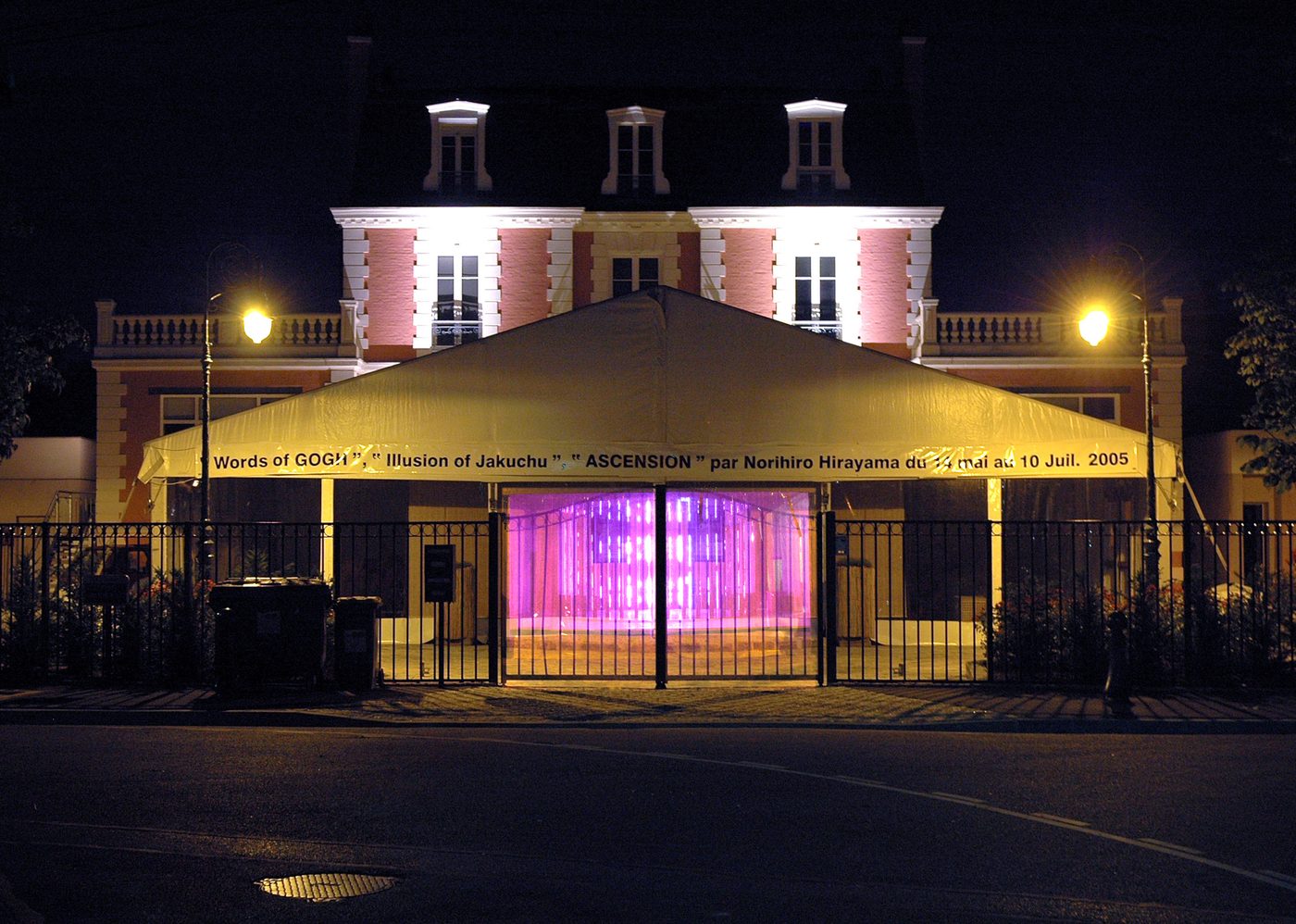
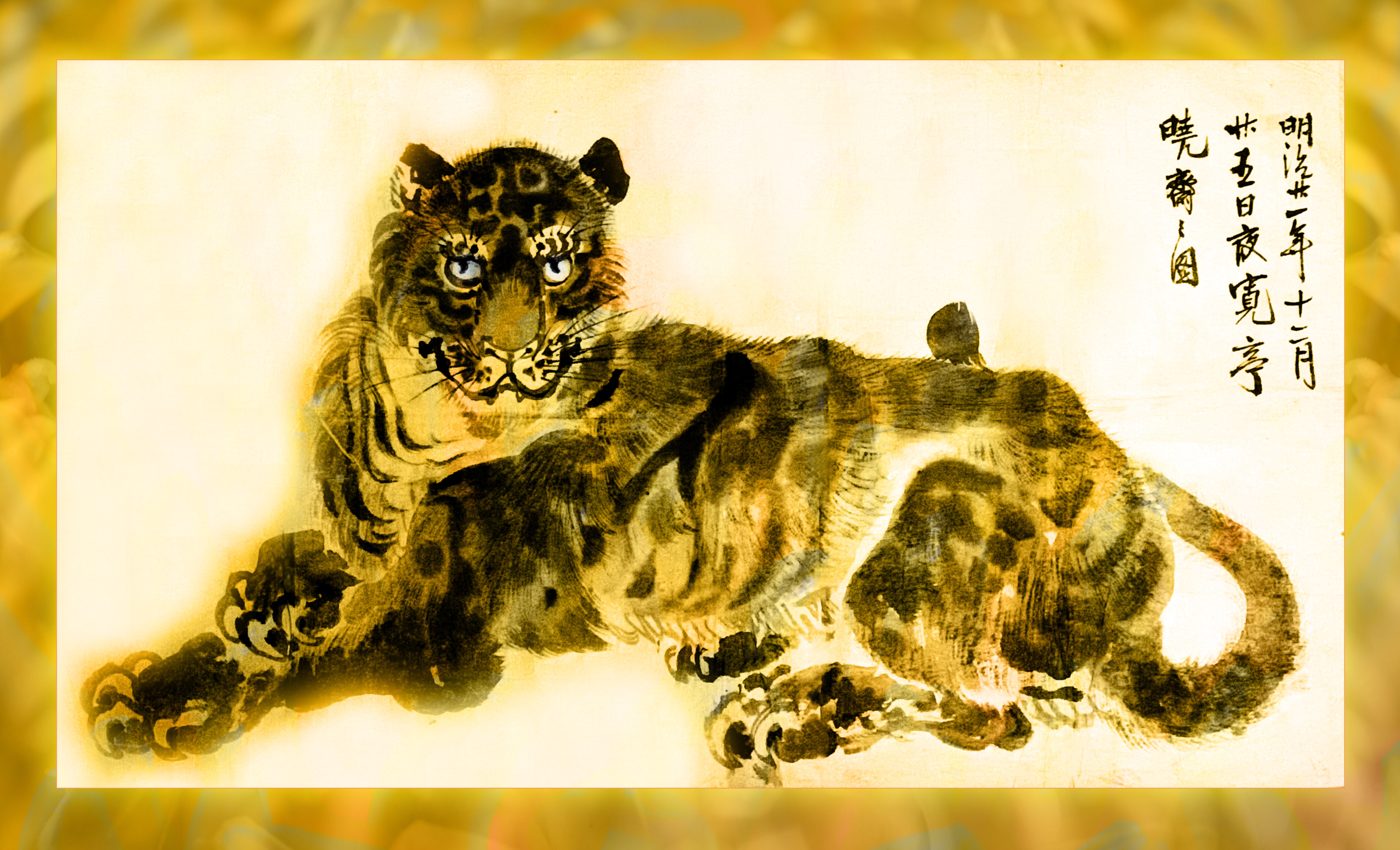
In 2005, the solo exhibition “Ascension” in Beauchamp, France. The following year, 2006,JAXA "Space Art Exhibition" — in which he took part. Today, continuing the work of his grandfather, who painted Shoki to pray for the banishment of plague, he takes the workings of microorganisms and the healing carried by light and colour as his subjects, and goes on exploring the healing spaces of the next generation.
The story begins in Mito at the close of the Edo period. The Mito domain, which had championed reverence for both Emperor and shogunate, found the two loyalties irreconcilable in the shogunate’s final years, and split into factions locked in fierce civil war. My great-grandfather Yoshibei Hirayama, a retainer of the pro-shogunate faction, was branded a traitor after the Restoration and stripped of the family name; carrying only the painting manuals of Katsushika Hokusai inherited from his father Yoshihisa, he fled Mito for his life.
The samurai laid down his sword and took up the brush. Signing with his formal warrior name “Yoshinobu,” Yoshibei left behind splendid works, including a pheasant painted in gold mineral pigment. In 1889, the long-awaited pardon restoring the family name arrived — and that same year, the Japanese painting of his eldest son Tsunetaro won a prize at the Young Painters’ Exhibition.
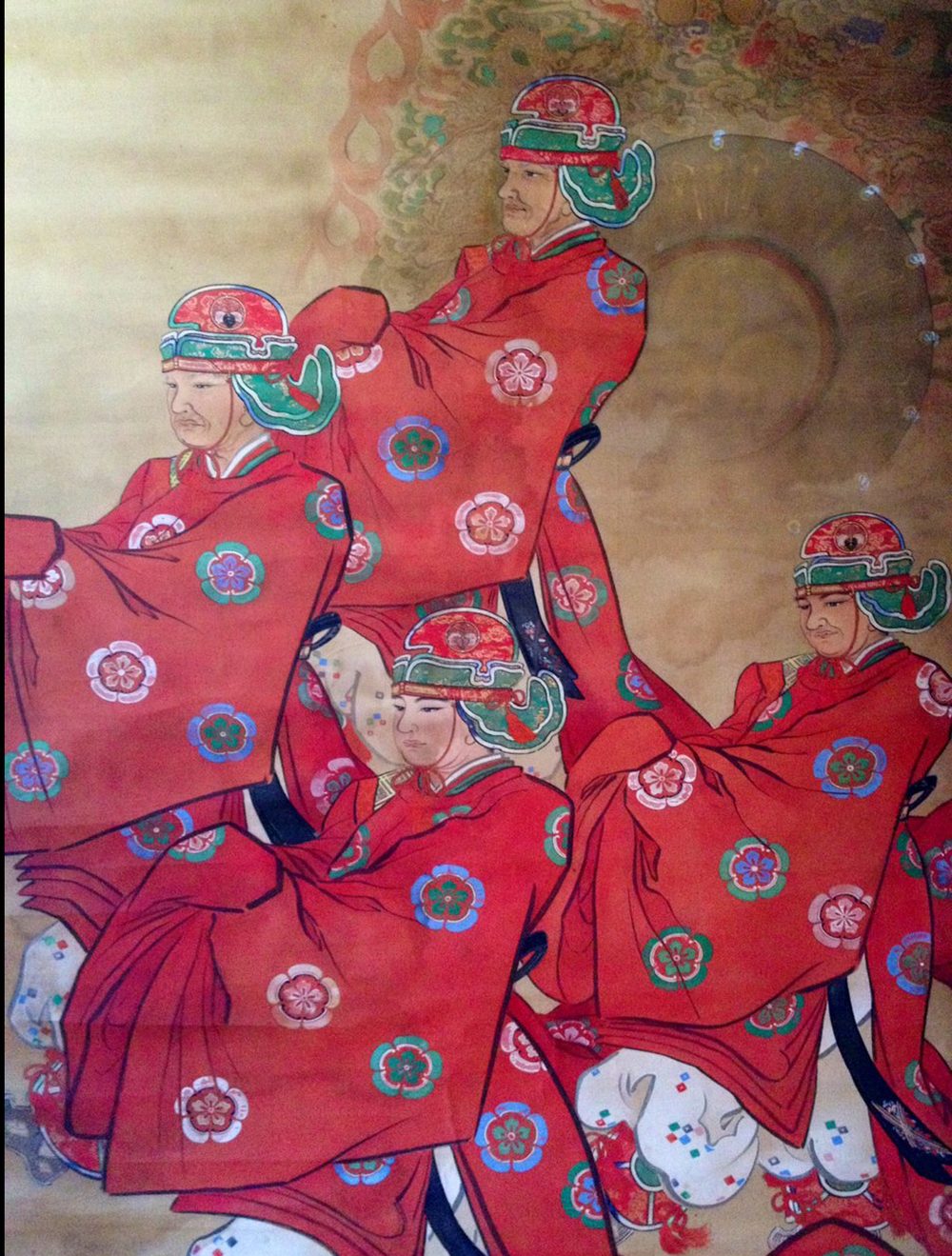
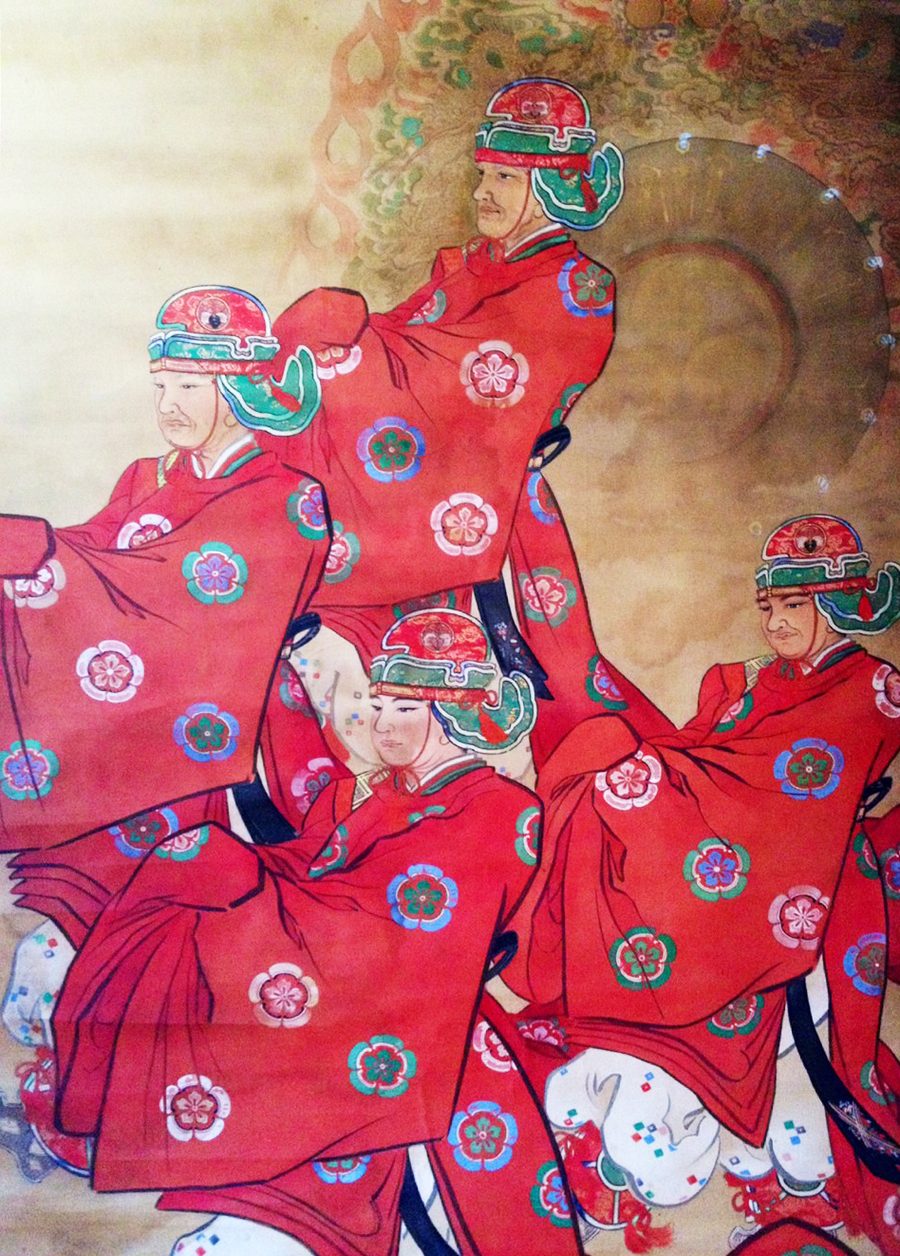
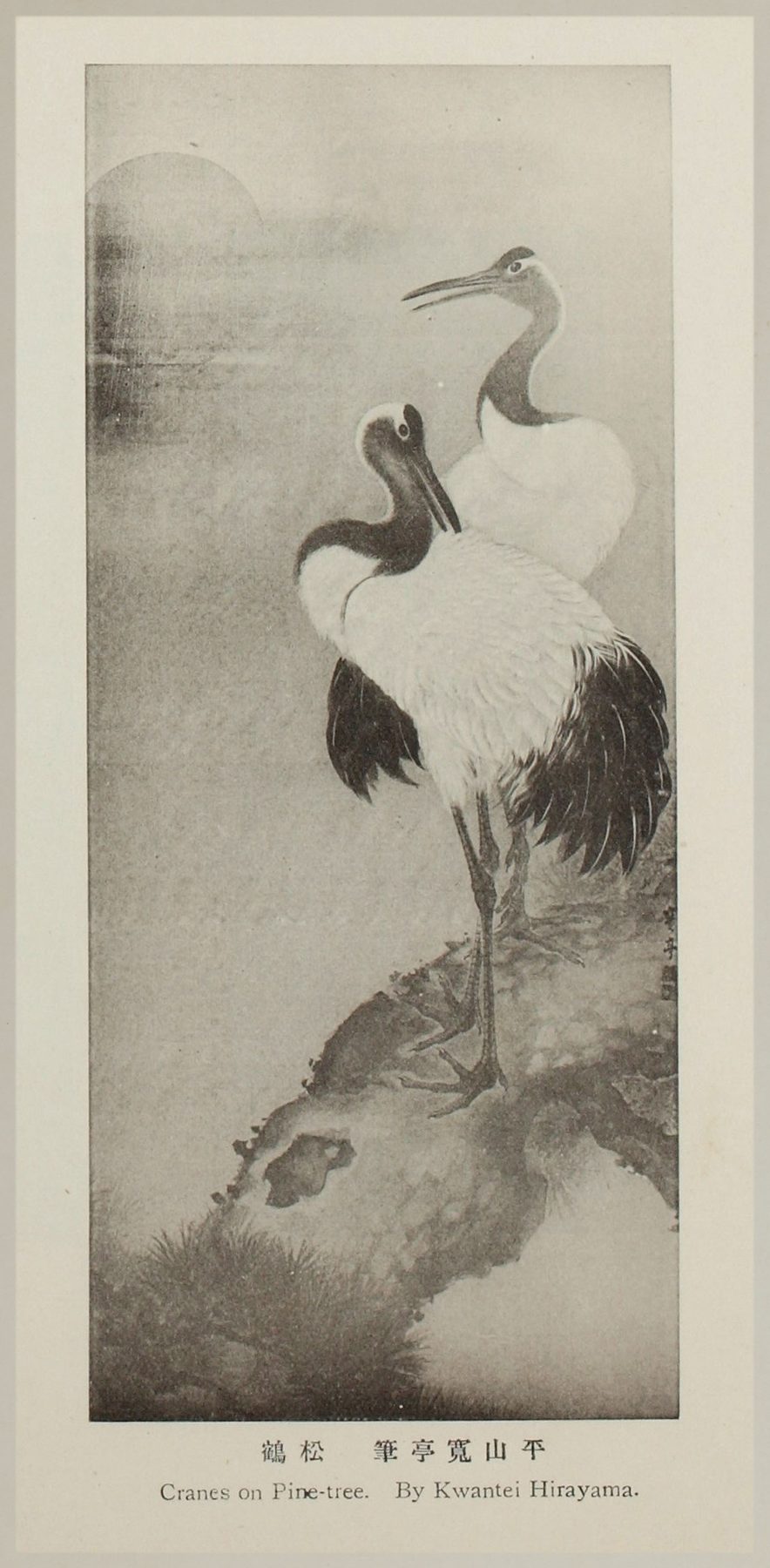
That very Tsunetaro would become my grandfather, Kantei Hirayama. In 1902 he traveled to America as a government-sponsored overseas trainee, studying metal sculpture in Boston, New York, and Philadelphia. On his return, Kantei became a painter in service of the Imperial Household, entrusted with the great task of depicting “Manzairaku,” the bugaku dance performed at the enthronement of Emperor Taisho. Within that painting — a prayer that the Emperor’s reign might last ten thousand years — Kantei concealed another story: four dancers of different generations, from youth to old age, dancing in a spiral. A story of “succession.”
The painter’s blood paused for a breath in the generation of my father Seiichi, who became an inventor, before passing to the fourth generation, Norihiro Hirayama. When his son chose the path of art, the father rejoiced: “The painter’s blood has skipped a generation.” The brush of a family that fled Mito with Hokusai’s painting manuals has moved from Japanese painting to CG, and on to the art of light — across a hundred and fifty years, it traces its spiral still.
In the Hirayama family flows an artistic bloodline handed down through four generations since the end of the Edo period: from a great-grandfather who was a Mito samurai, through a grandfather who painted for the Imperial Household and a father who was an inventor, to Norihiro Hirayama. Together with two of Katsushika Hokusai’s painting manuals, that story still breathes in the atelier today.
Details of awards, space milestones, French government commissions, permanent installations, and more can be viewed here.
For purchasing works, custom orders, proposals for corporate facilities, interviews, media coverage, and more, please feel free to get in touch. We will reply within two business days.
The roots of Norihiro Hirayama reach back to Mito in the final years of the shogunate. His great-grandfather, Yohei (Yoshinobu) Hirayama,Mito samurai. A samurai stripped of rank and homeland by the turmoil of the Meiji Restoration, he carried only the Katsushika Hokusai's painting manuals in hand, he fled Mito, trading the sword for the brush to live as a painter of nihonga.
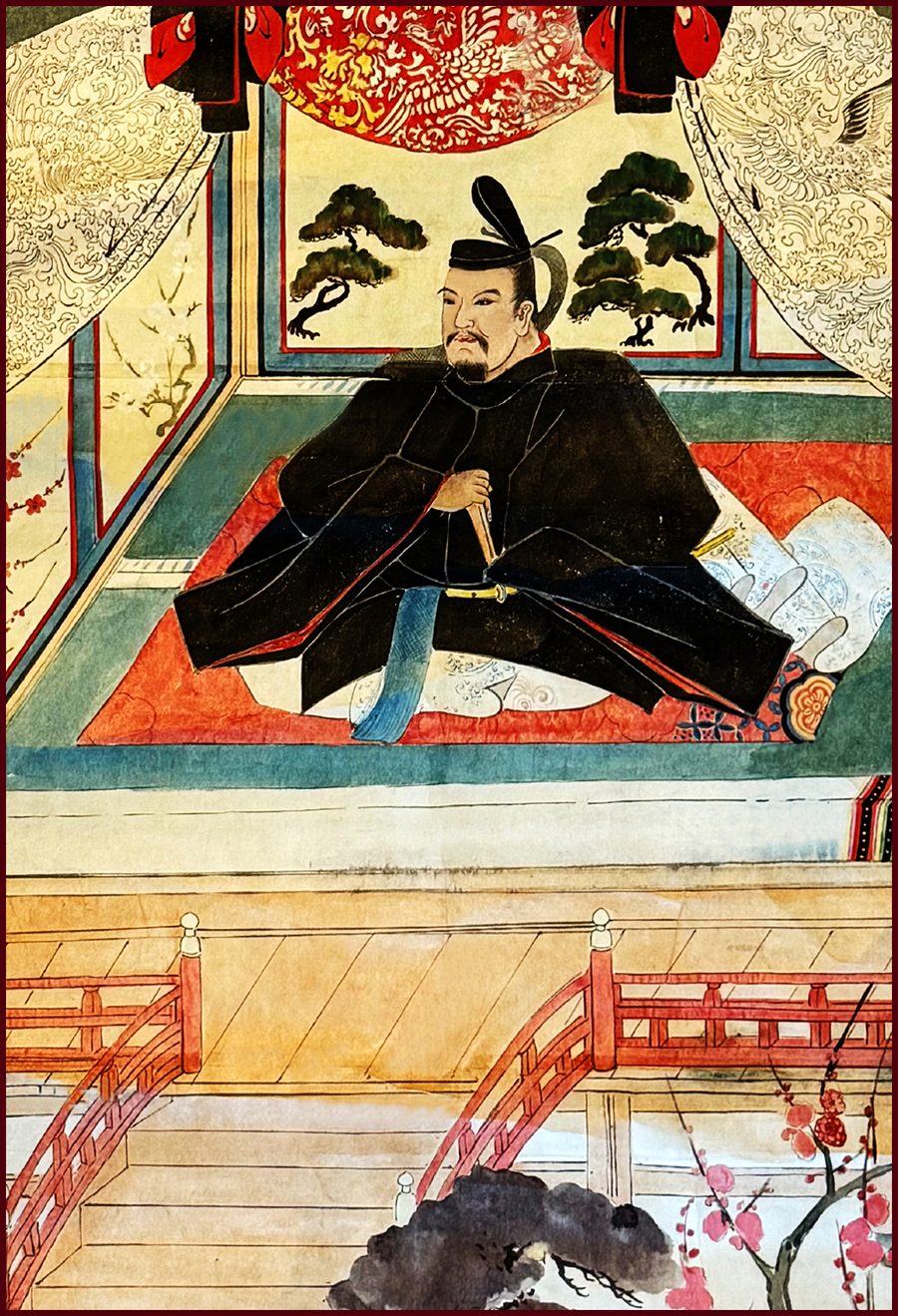
His eldest son, Kantei Hirayama, served the Imperial House as aCourt painter he became. One painting — of “Manzairaku,” the bugaku danced at Emperor Taisho’s enthronement (the first slide) — held a hidden story of “succession”: four dancers, from youth to old age, dancing in a spiral.
The painter's blood paused for a breath in the generation of his father Seiichi, an inventor, before flowing on to Norihiro HirayamaPassed down, skipping a generation. The soul of the samurai, the elegance of the court, and two of Hokusai’s painting manuals: this four-generation bloodline is the very foundation of the artist Norihiro Hirayama.
In 2003, “Jakuchu Fantasy (Moving Color Painting),” the signature work reimagining Ito Jakuchu’s bird-and-flower paintings through Japanese aesthetics and technology,Loaded aboard the Space Shuttle with astronaut Soichi Noguchi, bound for the International Space Station (ISS) it departed. An exceedingly rare achievement: Japanese digital art delivered into outer space.
In June 2006,JAXA "Space Art Exhibition" — where it was exhibited. The brush of a family that once fled Mito with Hokusai’s painting manuals had, four generations on, at last reached beyond the Earth.
During the solo exhibition in Beauchamp, France, astronaut Noguchi even emailed the local children from the ISS — an exchange officially introduced by the French public agency CEEVO as a story linking space, art, and people.
The work was conceived, composed and produced as video by Norihiro Hirayama. The ILLUSION DE JAKUCHU that travelled to the ISS is his own video work.
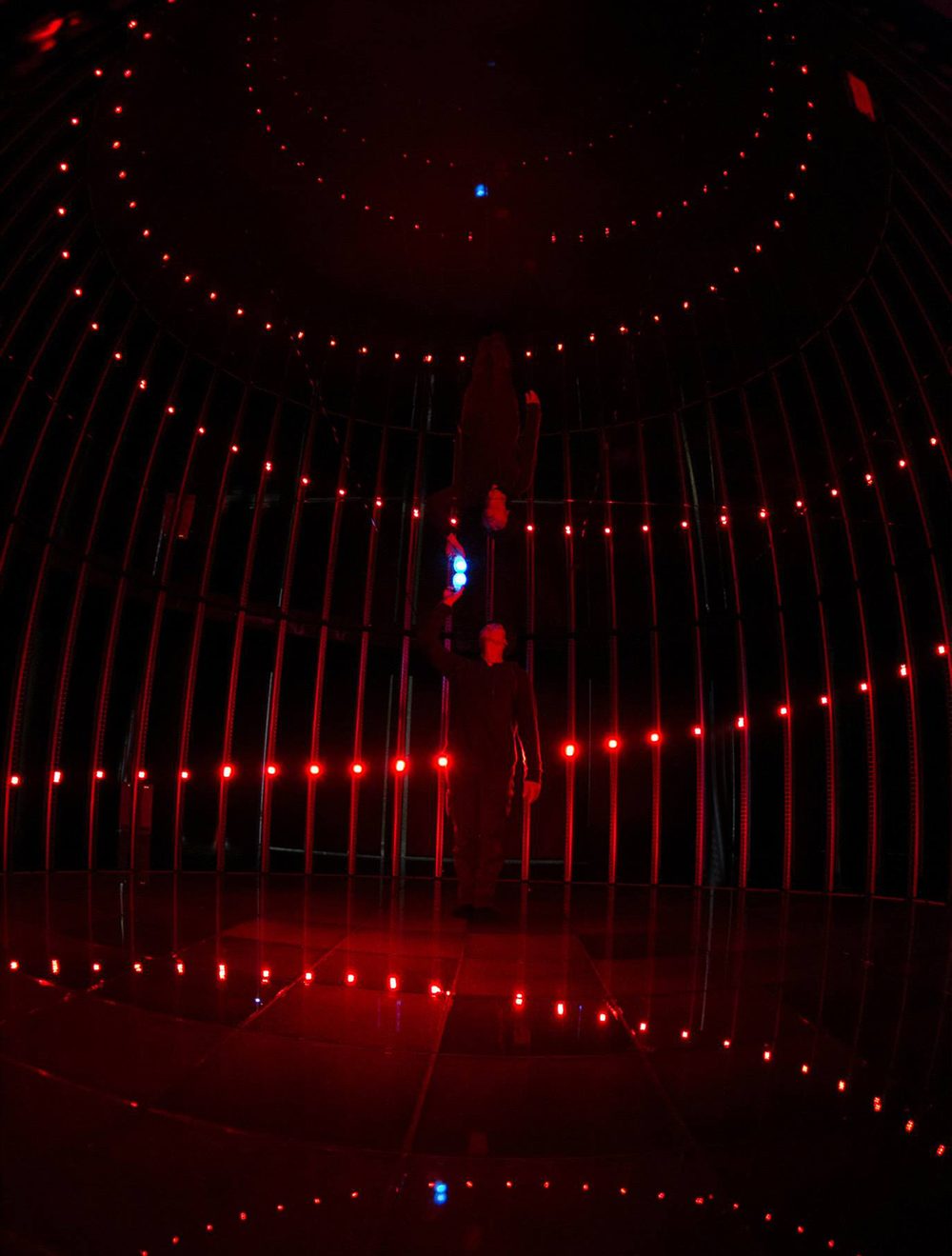
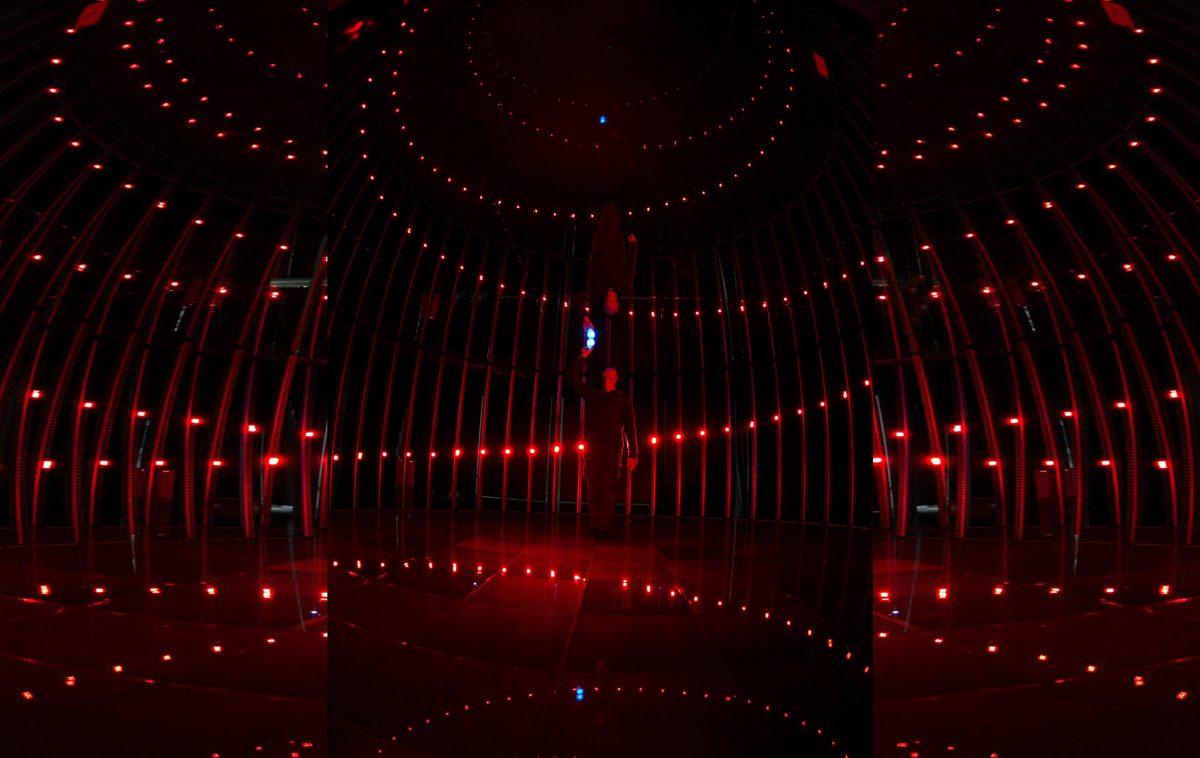
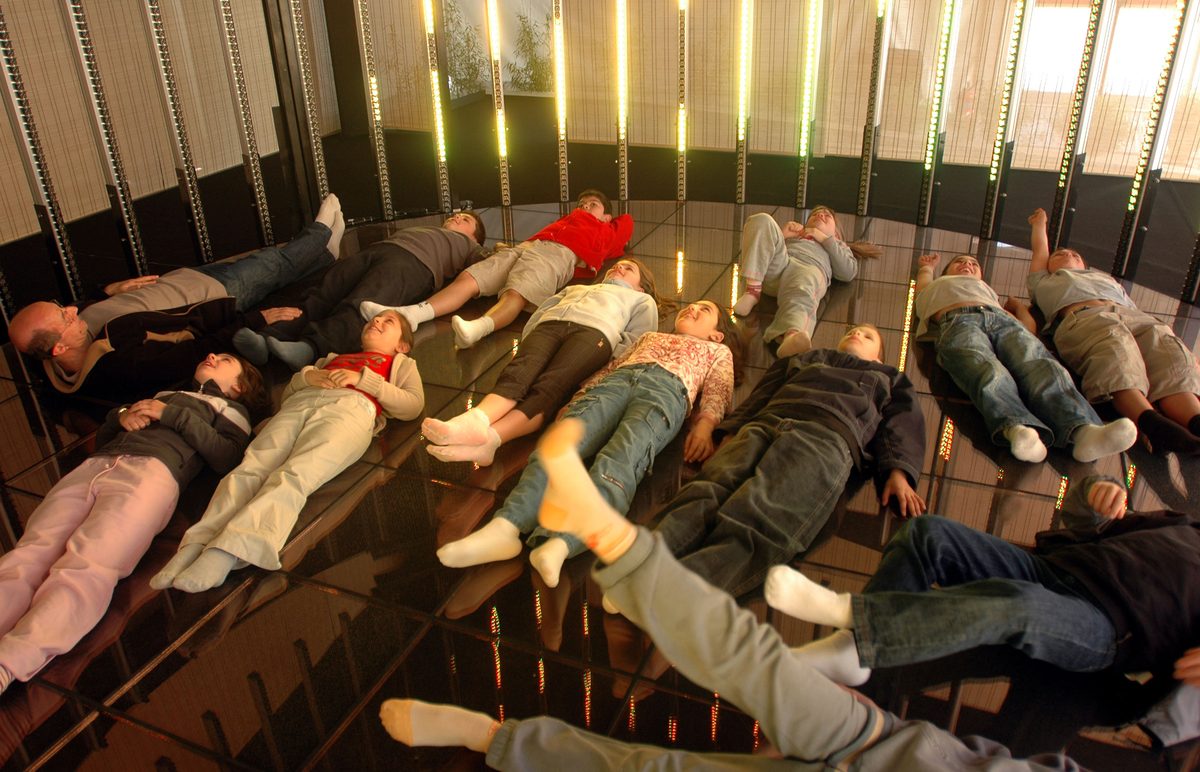
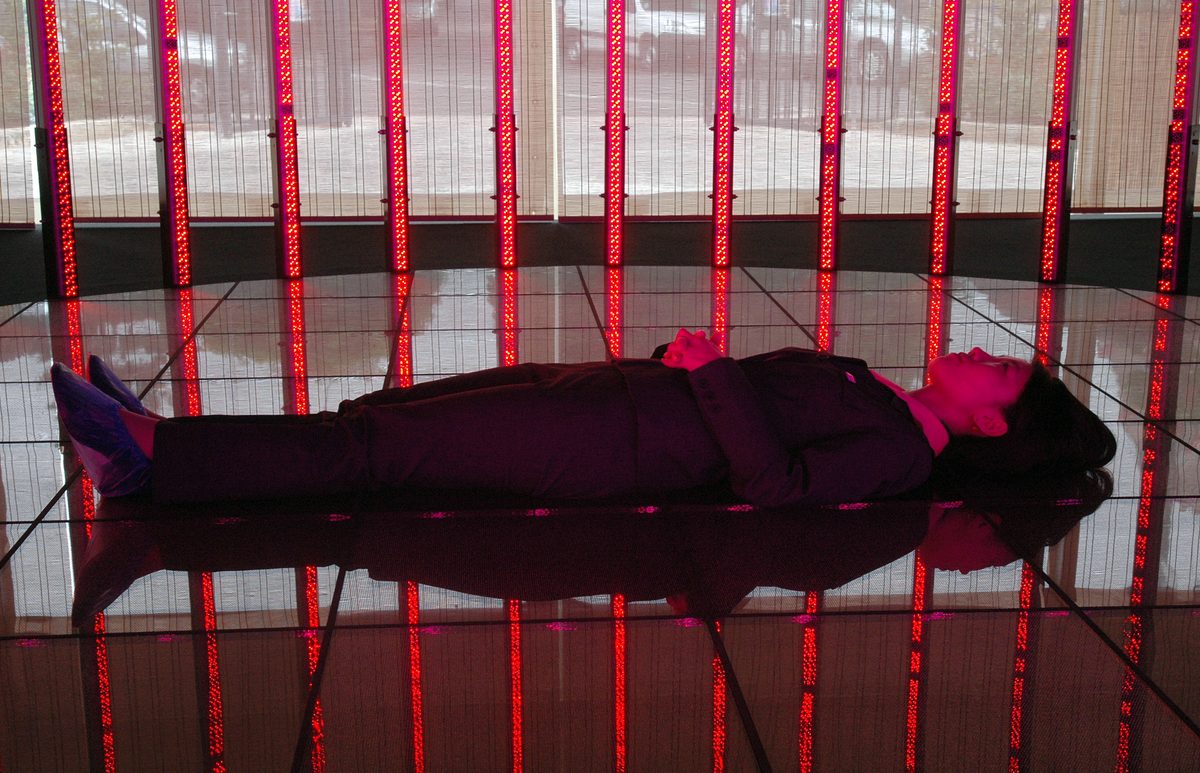
The signature work “Ascension” draws viewers into a visual space woven of light and color, andThe "healing light" effect that soothes body and mind — such is the work. As if inheriting the prayer of his grandfather, who painted Shoki, the god who drives away plague, Norihiro Hirayama turns art into"A medicine you see" — an inquiry he has pursued ever since.
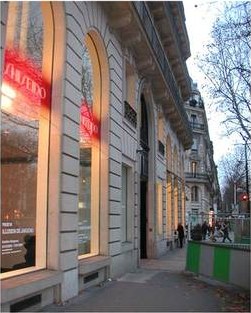
The 2005 solo exhibition “Ascension” in Beauchamp, France, drew more than 2,000 visitors andBroadcast nationwide on French public TV ARTE, and was featured on the official website of the Embassy of Japan in France, praised as “inviting audiences on a journey into a world of virtual imagery.”
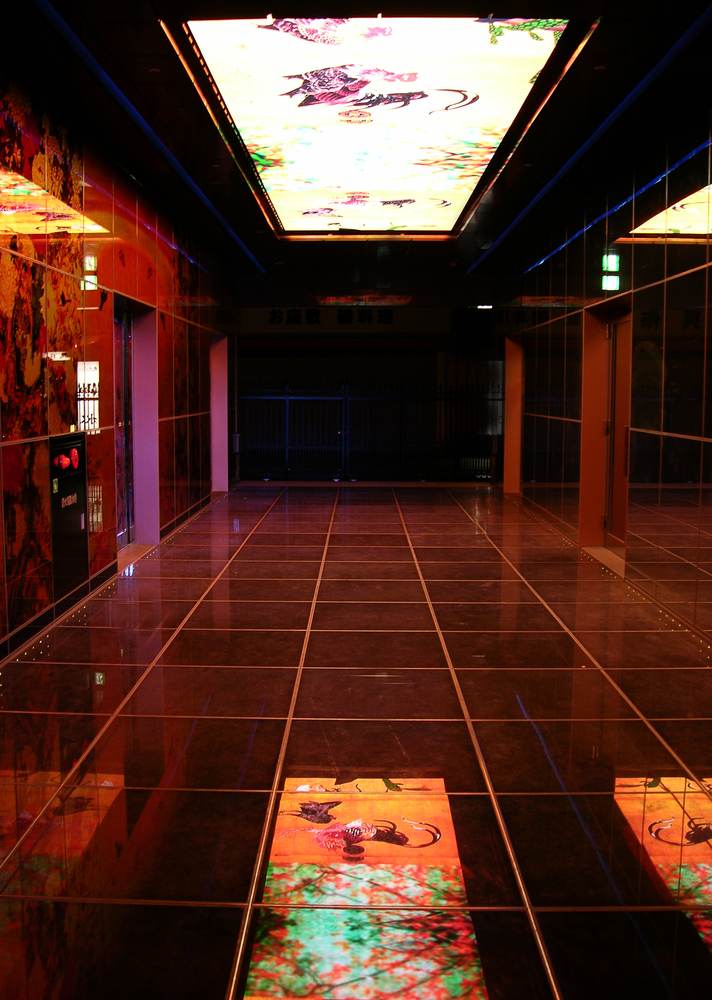
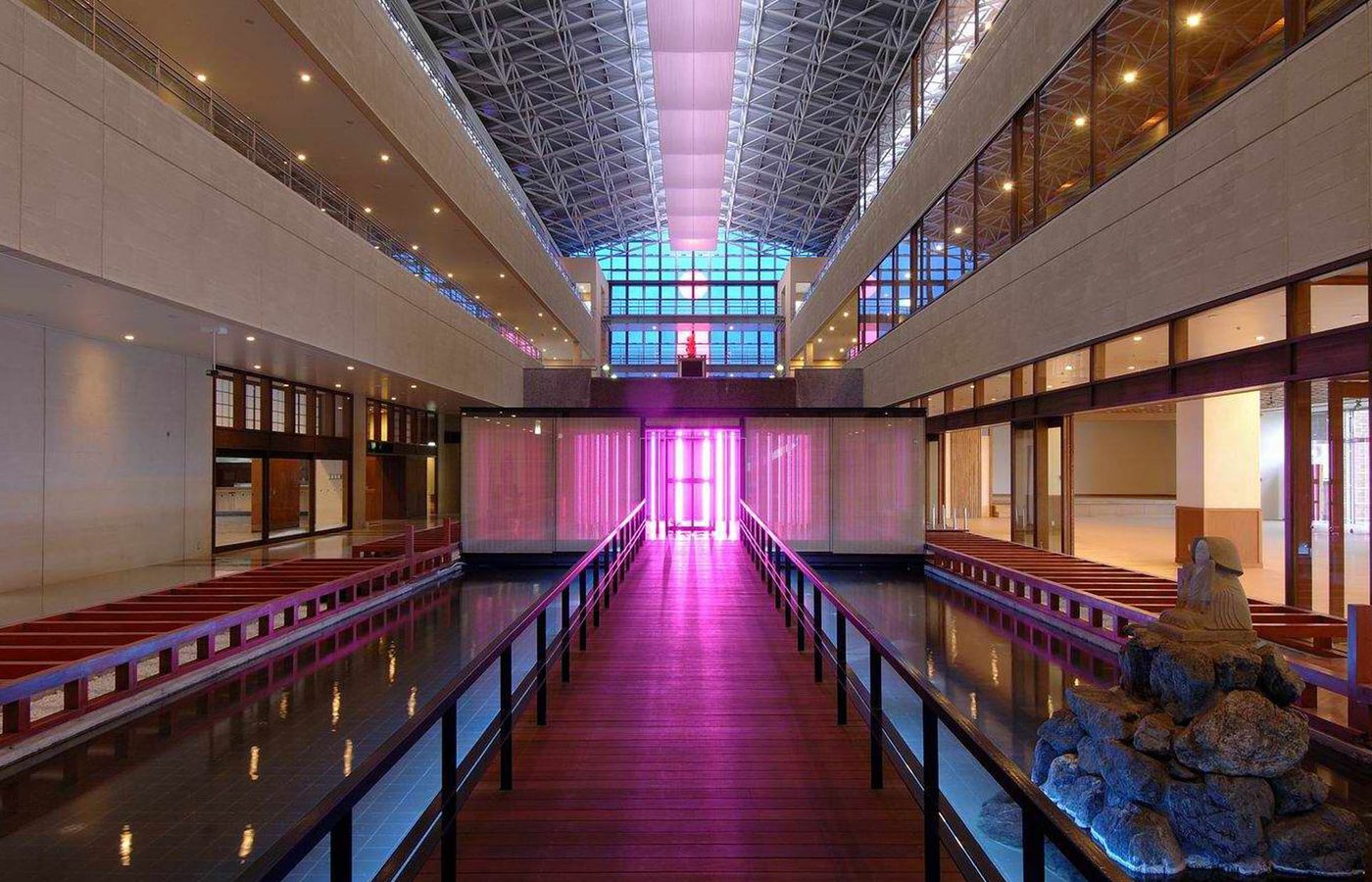
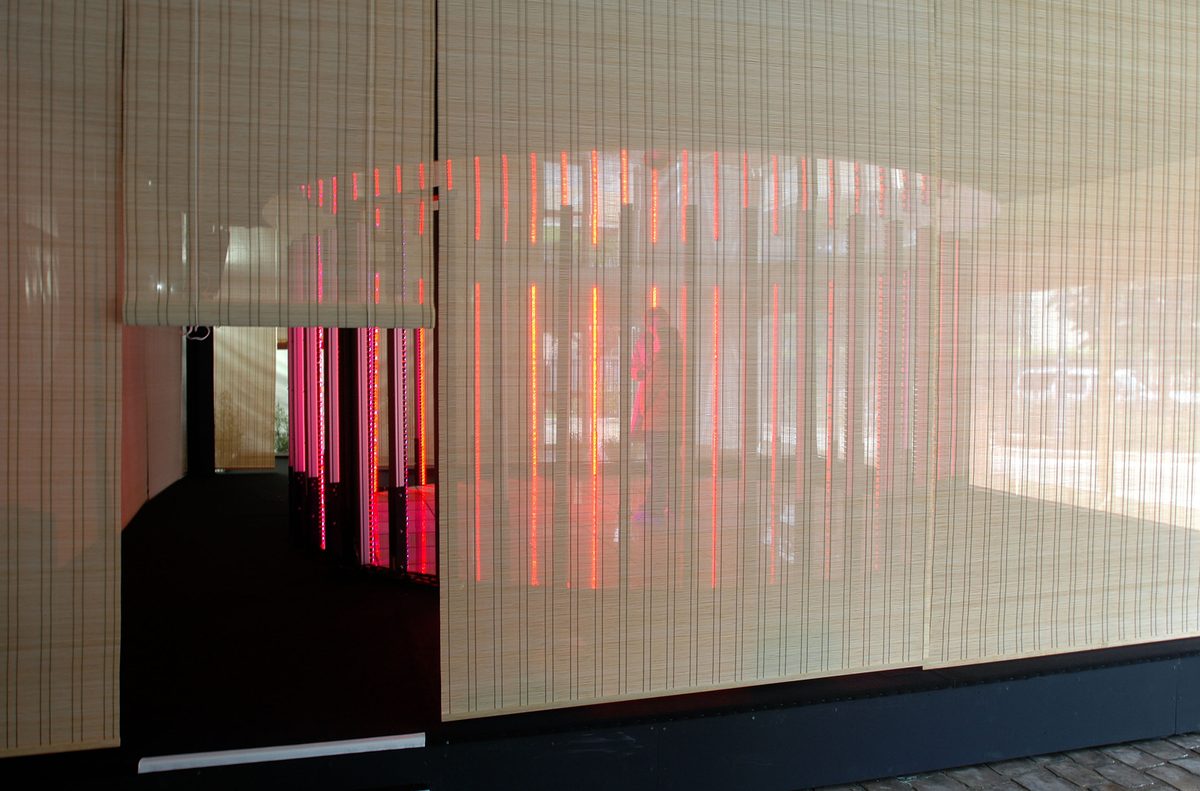
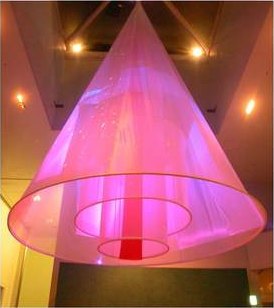
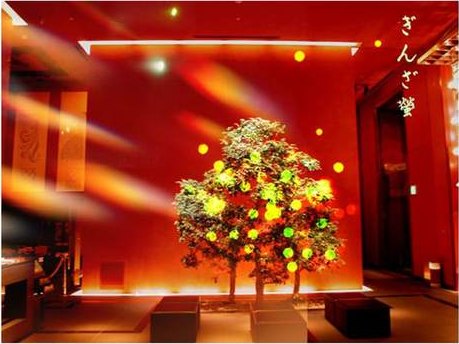
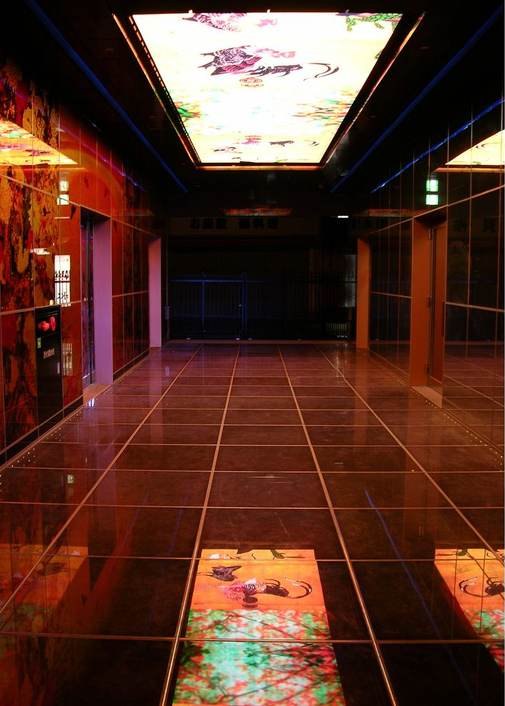
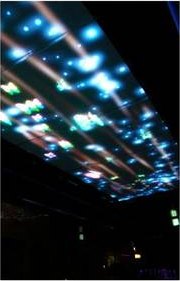
Today, that healing art can be found at Medipolis Ibusuki in Kagoshima, ENOSPA on Enoshima, Kamisuwa Onsen Shinyu, and other venues,On permanent view in healing spaces, easing the minds and bodies of those who visit day after day.
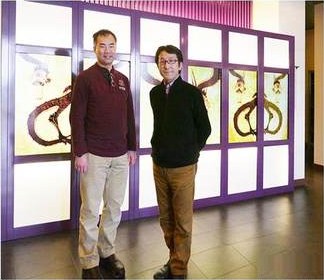
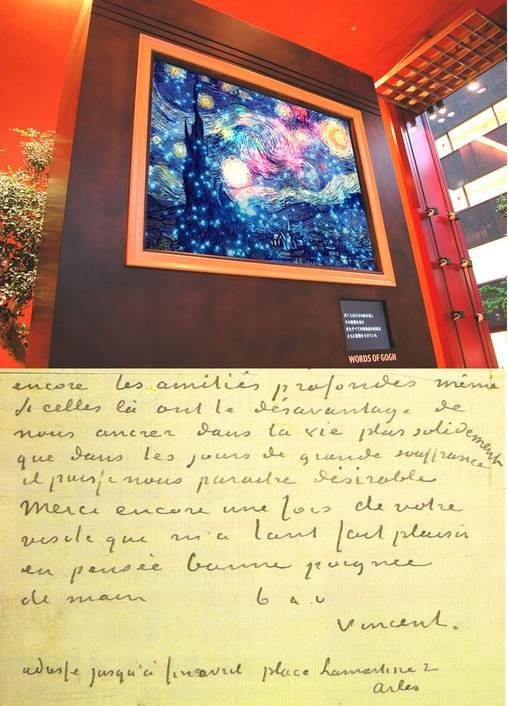
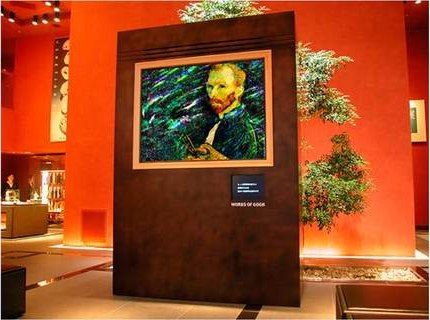
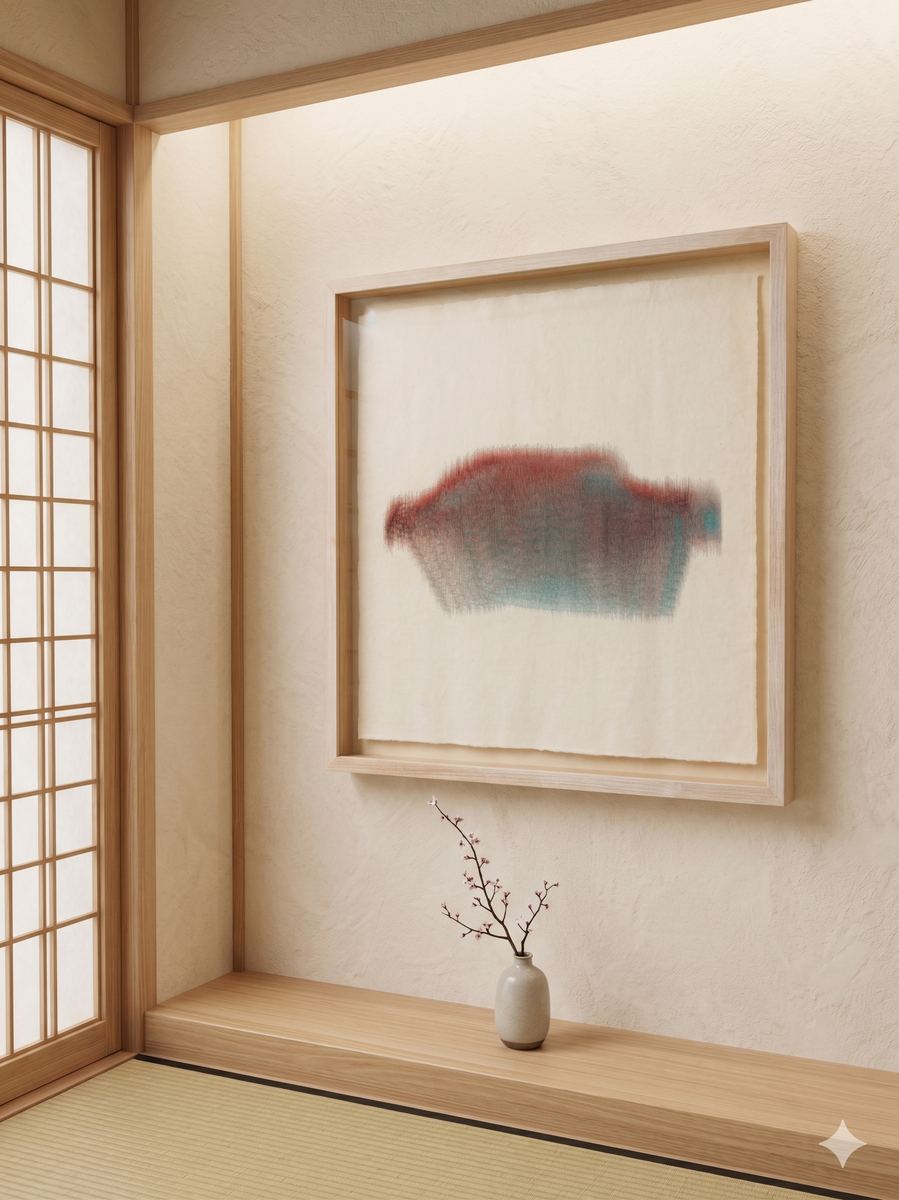
In 2026, served as general producer and creator of “Noto no Kizuna” (Bonds of Noto), a community event held in hope of recovery from the Noto Peninsula earthquake. Through spatial staging in light and imagery, it carried a message of hope and connection to the affected region — a regional revitalization project uniting local partners, corporate sponsors, and artists.